Product Description
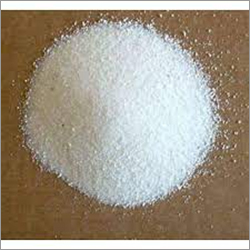
The Potassium Carbonate Powder is the primary component of potash and the more refined pearl ash or salts of tartar. Historically, pearl ash was created by baking potash in a kiln to remove impurities. The fine, white powder remaining was the pearl ash. Potassium carbonate, also known as pearl ash or salt of tartar, is a white powder with a salty taste. Potassium carbonate is the primary component of potash and the more refined pearl ash or salts of tartar. The Potassium Carbonate Powder is made for use in the various industries.
Versatile Industrial & Food AdditivePotassium carbonate powder is highly valued across multiple industries in South Africa, such as manufacturing glass, soaps, fertilizers, and textiles. Additionally, its used in the food sector as a leavening agent (E501) and pH regulator, demonstrating exceptional adaptability. Its high purity and alkaline properties ensure dependable results, whether you operate in manufacturing or food processing.
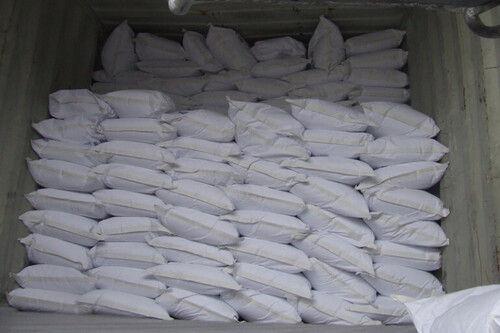
Storage and Handling GuidelinesTo maintain potassium carbonates quality, always store it in tightly sealed containers, placed in a cool and dry location. Since it is hygroscopic, exposure to moisture can negatively impact its efficacy. Following these storage recommendations preserves the powders effectiveness throughout its approximately 24-month shelf life.
FAQs of Potassium Carbonate Powder:
Q: How should potassium carbonate powder be stored to maximize its shelf life?
A: Potassium carbonate powder should be kept in airtight, tightly closed containers away from moisture, ideally in a cool and dry environment. This prevents the powder from absorbing water, maintaining both its purity and effectiveness for up to 24 months.
Q: What are the common applications of potassium carbonate powder?
A: Potassium carbonate is widely used as a pH regulator and buffering agent in industrial processes. It is essential in the production of glass, soaps, textiles, fertilizers, pharmaceuticals, and also serves as a food additive (E501) due to its strong alkaline nature and high solubility.
Q: When should potassium carbonate be used during manufacturing processes?
A: Potassium carbonate is typically added during stages that require pH adjustment, buffering, or chemical synthesis. For instance, it can be incorporated early in glass production for silica melting or as a process aid during soap formation.
Q: Where can potassium carbonate powder be sourced in South Africa?
A: Potassium carbonate powder is available from a wide range of dealers, distributors, exporters, manufacturers, retailers, suppliers, traders, and wholesalers throughout South Africa, catering to diverse industrial and commercial needs.
Q: What are the benefits of using potassium carbonate powder as a pH regulator?
A: Using potassium carbonate as a pH regulator helps maintain the stability and quality of products by neutralizing acids and providing consistent alkalinity, which is crucial in chemical manufacturing, food processing, and pharmaceutical formulations.
Q: Is potassium carbonate safe for use in food and pharmaceutical products?
A: Yes, potassium carbonate is available in food and pharmaceutical grades, with a typical purity of 99% or higher, and is non-poisonous when used according to appropriate regulations, such as the food additive E501 standard.


 +27735652075






 Send Inquiry
 Send Inquiry
