Product Description
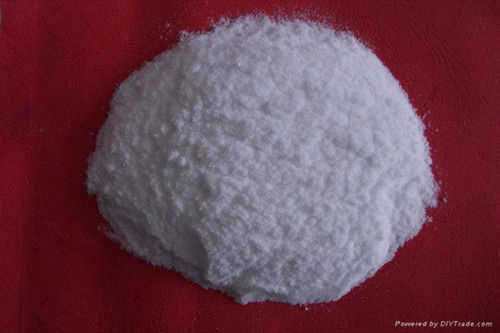
Propylene glycol alginate, also called PGA, E405, CAS no.9005-37-2, is an ester of alginic acid. A safe additive used as a thickening agent in food, feed and pharmaceutical products. The manufacturing process from the kelp plant or from certain kinds of algae. Propylene glycol alginate uses as thickener, stabilizer and emulsifier in yogurt and ice cream, which makes product surface smooth without any concave-convex and fine mouth feeling. It also used in milk products like cheese as stabilizer and emulsifier, which makes product puffed and emulsified better. Also uses in flour, noodles and instant foodstuff, as well as in ketchup, meat sauce, soy sauce, emulsifying essence, syrup and icing as modifier.
As an experienced Propylene glycol alginate manufacturer and supplier, we has been supplying and exporting Propylene glycol alginate for almost 10 years, please be assured to buy from us. Any inquiries about price and the market trend please feel free to contact us, we will reply you within 1 working day.
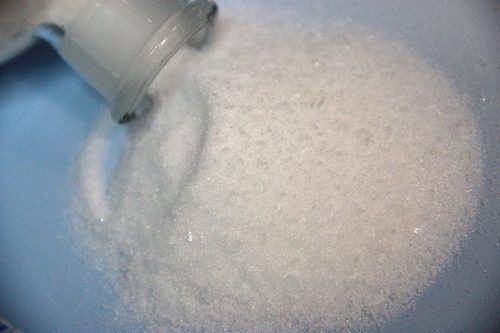
Versatile Functionality in Food and BeveragesPropylene Glycol Alginate serves as a valuable multifunctional ingredient for a variety of food and beverage applications. Its excellent thickening, emulsifying, and stabilizing properties help improve product texture, appearance, and shelf life. The powder form ensures easy dispersion and high solubility in both hot and cold water, making it practical for diverse formulations including sauces, dressings, dairy products, and drinks.
Safe and Compliant Ingredient ChoiceManufactured to strict food-grade specifications, Propylene Glycol Alginate meets international safety standards for heavy metals, lead, arsenic, and microbial contamination. Its purity exceeds 98%, and it remains stable under typical storage and processing conditions. With a shelf life of 24 months in sealed packaging, users can confidently incorporate this additive into products for local and export markets.
FAQs of Propylene Glycol Alginate:
Q: How should Propylene Glycol Alginate be stored to maintain its quality?
A: Propylene Glycol Alginate should be kept in a tightly sealed container and stored in a cool, dry place away from moisture and direct sunlight. Proper storage preserves its stability and extends shelf life up to 24 months.
Q: What processes are recommended for dissolving Propylene Glycol Alginate in formulations?
A: To achieve optimal dispersion, gradually add the powder to cold or hot water with continuous stirring. This method helps prevent clumping and ensures uniform viscosity throughout the mixture.
Q: Where can Propylene Glycol Alginate be used in the food industry?
A: It is widely used in the food and beverage sectors, especially in sauces, dressings, dairy products, fruit beverages, and desserts. PGA acts as a thickener, emulsifier, and stabilizer to enhance product consistency and stability.
Q: What are the primary benefits of incorporating Propylene Glycol Alginate in products?
A: PGA provides excellent thickening, improves emulsion stability, and prevents ingredient separation. Its high solubility and stability ensure products maintain desirable texture and appearance even during extended storage.
Q: Is Propylene Glycol Alginate safe for use in food and beverages?
A: Yes, Propylene Glycol Alginate is food-grade, non-poisonous, and meets rigorous safety standards for contaminants such as lead, arsenic, heavy metals, and microorganisms. All specifications comply with relevant food safety regulations.
Q: When should Propylene Glycol Alginate be added during food processing?
A: It is best added during the mixing phase, either with other dry ingredients or during early liquid blending, to ensure even distribution and effective functional performance.


 +27735652075





 Send Inquiry
 Send Inquiry
