Product Description
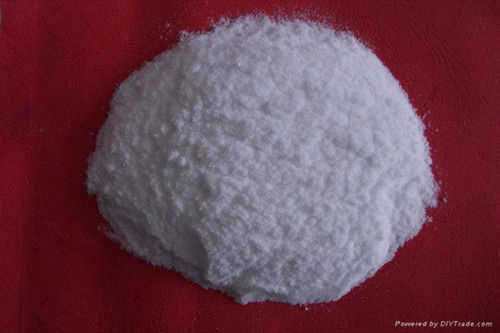
1. Sodium Formate can use in leather industry, chrome tanning method in camouflage acid.2. Sodium Formate can for the synthesis of catalysts and stability agent.3. Printing and dyeing industry, reducing agent.4. Sodium Formate can For the production of oxalic acid.5. In recent year, the early strength of cement is also a large number of applications and preparation of low toxicity, environmental protection, oil field drilling fluid. Transport and storage.Industry Grade Sodium Formate for Leather/Printing and Dyeing Product Description for Sodium FormateName: Sodium FormateOther Name: Sodium FormateCAS No.: 141-53-7HS Code: 29151200EC NO: 205-488-0Molecular Formula: HCOONaMolecular Weight: 68.01MP: 253Property: Sodium formate is part of white and crystal powder, which has slight hygroscope, and slight smell of methanoic acid, Sodium Formate is easily dissolved in water, slightly dissolved in ethanol; Out of dissolved in diethyl; Proportion is 1.919. Melting point is 253oC. Sodium formate has strong toxicity as well as irritation.Industry Grade Sodium Formate Specification
|
Item
|
Specifications
|
|
Supper class
|
HCOONa, %
|
95.0
|
NaOH, %
|
0.50
|
Na2CO3, %
|
0.50
|
Sulfide(S), %
|
0.04
|
Moisture (H2O), %
|
1.0
|
Appearance
|
White crystal or powder
|
Applications and VersatilitySodium Formates principal applications include leather tanning, de-icing, textile printing and dyeing, oil drilling mud additive, and as a reducing agent. Its stability and low toxicity make it suitable across diverse industrial sectors in South Africa. Its high solubility and fast dissolving nature allow for use as a buffering or reducing agent and as a chemical synthesis building block. Widely supplied by manufacturers, wholesalers, and retailers, it meets industrial grade standards.
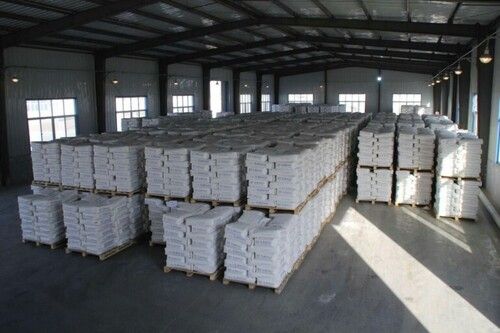
Storage and HandlingThe product should be stored at room temperature in its original, sealed woven bags with inner liners to prevent moisture absorption. Thanks to its non-hazardous classification and low toxicity, no special transport restrictions apply. Sodium Formate retains its properties for up to 24 months if proper storage is ensured, providing reliable performance throughout its shelf life.
FAQs of Sodium Formate 92% 95%98%:
Q: How is Sodium Formate typically used in industrial applications?
A: Sodium Formate is primarily used in leather tanning, de-icing fluids for roadways and airports, textile dyeing and printing, oil drilling as a mud additive, and as a reducing agent in various chemical processes. Its buffering capacity also makes it valuable in dyeing and textile processing.
Q: What benefits does using Sodium Formate offer over other chemicals?
A: This compound boasts low toxicity, biodegradability, and is environmentally friendly. Its high purity ensures consistent results, and it is fast dissolving and stable, reducing operational risks and improving efficiency in process applications such as de-icing and leather production.
Q: When and where should Sodium Formate be stored to maintain product integrity?
A: Sodium Formate should be stored at room temperature in tightly sealed 25 kg or 50 kg woven bags with liners. Proper storage ensures a stable shelf life of up to 24 months and maintains purity by protecting against moisture and contamination.
Q: What is the process for dissolving Sodium Formate for application use?
A: Dissolve Sodium Formate by adding the required amount to water, preferably at room temperature. It quickly dissolves due to its crystalline powder form and fine particle size, forming a clear solution suitable for immediate industrial application.
Q: Is Sodium Formate safe and environmentally sustainable to use?
A: Sodium Formate has low toxicity, is non-poisonous, and is considered environmentally friendly as its biodegradable and does not accumulate in the environment. Its use supports safe and sustainable industrial practices.
Q: What is the compatibility of Sodium Formate with other chemicals?
A: Sodium Formate is compatible with a wide range of industrial chemicals, making it suitable for processes where interaction with other reagents is required, such as in mixtures for dyeing, de-icing, or oil drilling muds.


 +27735652075






 Send Inquiry
 Send Inquiry
