Product Description
Urea (COCNH) Form
This form of fertilizer nitrogen usually undergoes a three-step change before it is taken up by crops. First, enzymes in the soil or plant residue convert the urea N to ammonia N. Next, the ammonia reacts with soil water to form ammonium N. And finally, through the action of soil microorganisms, the ammonium is converted to nitrate N.
Like nitrates, urea dissolves in and moves with soil water and thus can be lost through leaching if not converted to ammonia and then ammonium. The conversion to ammonia takes only 2 to 4 days when soil moisture and temperature are favorable for plant growth. Lower temperatures slow the process, but it will continue even down to freezing. Consequently, leaching losses are seldom experienced under field conditions.
When ammonia is formed from urea applied on the soil surface, some will be volatilized (escape into the air), the amount depending on a combination of soil conditions. Greatest loss can be expected when soil pH is above 7. soil temperature S high and soil moisture low. Ammonia formed from urea applied under the soil surface, on the other hand, s rapidly converted to ammonium. which will neither move with water nor be lost to the air.
Product Specification
| Form |
Granules |
| Purity % |
98% |
| Grade Standard |
Industrial Grade |
| Usage/Application |
Industrial |
| Physical State |
Powder |
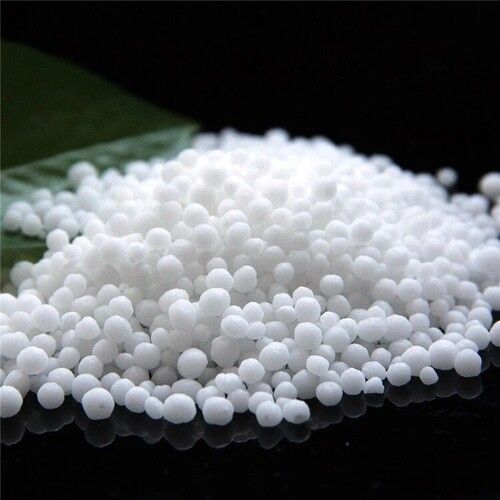
High-Purity Urea Fertilizer for AgricultureThis white powdered urea boasts a 98% purity level, ensuring optimal nutrient delivery. Designed for organic farming, its suited for crops requiring a robust source of nitrogen. As a versatile, easily soluble solution, this fertilizer supports healthy plant development and helps maximize your agricultural productivity.
Extensive Distribution across the NetherlandsOur urea fertilizer is available throughout the Netherlands via a comprehensive dealer network. Whether you are purchasing as a farmer, commercial grower, or through a wholesale supply chain, our distribution ensures timely delivery and consistent product quality, no matter the scale of your agricultural operations.
FAQs of urea fertilizer:
Q: How should white powdered urea fertilizer be applied for best results?
A: White urea powder should be applied by evenly broadcasting it over the soil or dissolving it in water to use as a foliar spray or irrigation feed. For maximum effectiveness, apply during periods of active plant growth and follow recommended application rates based on crop requirements.
Q: What are the benefits of using high-purity (98%) urea as an organic fertilizer?
A: Using 98% pure urea ensures a concentrated nitrogen source, which enhances plant growth, helps achieve higher yields, and promotes lush, green foliage. Its purity minimizes impurities that could hinder plant health, making it ideal for organic farming systems.
Q: When is the ideal time to use urea fertilizer on crops?
A: Urea fertilizer is most effective when applied at the beginning of the growing season or during periods of high nutrient demand, such as just before planting and during early vegetative growth stages. Avoid applying before heavy rain to mitigate nutrient loss.
Q: Where can I purchase or source this urea fertilizer in the Netherlands?
A: This powdered urea fertilizer is available from dealers, distributors, wholesalers, retailers, exporters, and manufacturers throughout the Netherlands. You can approach these channels based on your purchase volume and location for convenient supply.
Q: What is the production process for white urea fertilizer with 98% purity?
A: High purity urea is produced by reacting ammonia and carbon dioxide under controlled conditions, followed by a rigorous purification and drying process. The final product is a fine, white powder that meets strict agricultural quality standards.
Q: How can I use this urea fertilizer safely in my organic farming operation?
A: Follow proper dosage guidelines provided with the product, wear protective gloves when handling, and store the fertilizer in a cool, dry place. Always integrate it with other organic inputs as recommended for holistic crop nutrition.
Q: What makes this type of urea fertilizer suitable for large-scale as well as small-scale farmers?
A: Its high solubility, concentrated nitrogen content, and adaptable application methods (soil or foliar) make it flexible for diverse farming needs. The robust distribution network further ensures accessibility for both large-scale operations and smaller farms.


 +27735652075






 Send Inquiry
 Send Inquiry
